🕰️ Time Travel to Wartime Rabaul – 1942 to 1945
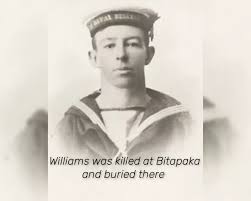
We begin our Tour from Kokopo to Rabaul, along Williams Road. The road is named after one of the first Australians to die in the Great War. Able Seaman William ‘Bill’ Williams
died in action whilst capturing the German Wireless Station at Bitapaka in 1914. Most Australians seem to think “Gallipoli” was their first battle. However, the battle for German New Guinea, was Australia’s
Where was the first EVER battle as a sovereign nation?
First EVER battle as a sovereign nation. We make a short visit to Rabaul “Bitapaka” War Cemetery.
Most Australians associate their military history with the trenches of Gallipoli in 1915. But few realize that Australia’s first battle as a sovereign nation took place in German New Guinea — specifically, at Bitapaka near Rabaul on 11 September 1914.
That’s right. Before Gallipoli, before the Western Front, there was Able Seaman William “Bill” Williams, who was killed during the Australian Naval and Military Expeditionary Force’s assault on a German wireless station at Bitapaka. The battle marked Australia’s military debut on the world stage, a lesser-known yet significant chapter in the nation’s wartime history. Back onto Williams Road, through the new City of Kokopo we see a glimpse of the old Pre WW1 German Town, then known as Herbertshoe. On the left, on the hill, the German MSC Mission of Vunapope – ‘the place of the pope” & on the right the Ralum Golf Club.
Our tour begins in Kokopo, East New Britain’s vibrant capital. As we head along Williams Road, named in honour of Bill Williams, we not only travel physically, but we begin a journey back in time.
Kokopo was once Herbertshöhe, the capital of German New Guinea in the early 1900s. German colonial buildings and structures still dot the landscape, some hidden behind modern developments, others still proudly standing as relics of the past.
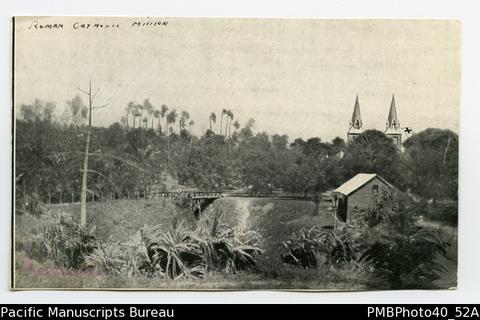
To the left, nestled on a hill, you’ll spot the historic Vunapope Catholic Mission – meaning “place of the Pope.” Established by the Missionaries of the Sacred Heart (MSC) in the 1890s, Vunapope served as a religious sanctuary through war, disease, and colonial upheaval. During WWII, it also operated as a hospital and a neutral zone respected by both Allied and Japanese forces.
To the right, the Ralum Golf Club sits on what was once the estate of the legendary Queen Emma—a powerful and wealthy businesswoman of Samoan-American descent, whose influence spanned across the South Pacific. Her plantation empire was central to German commercial interests before WWI.
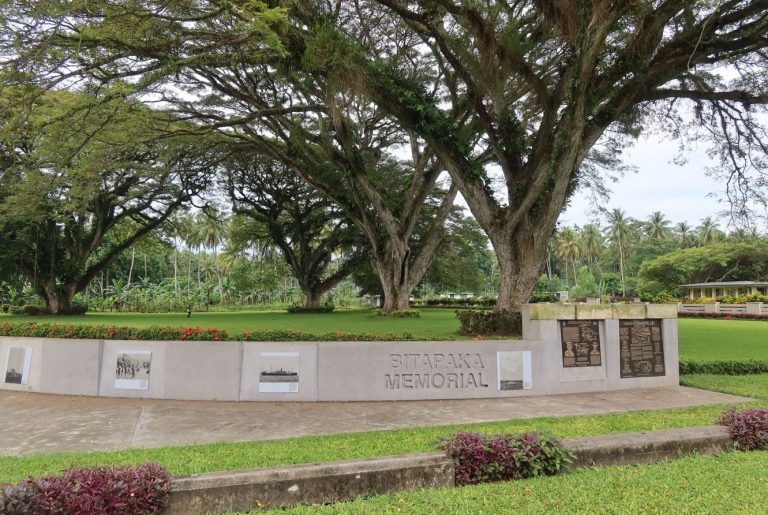
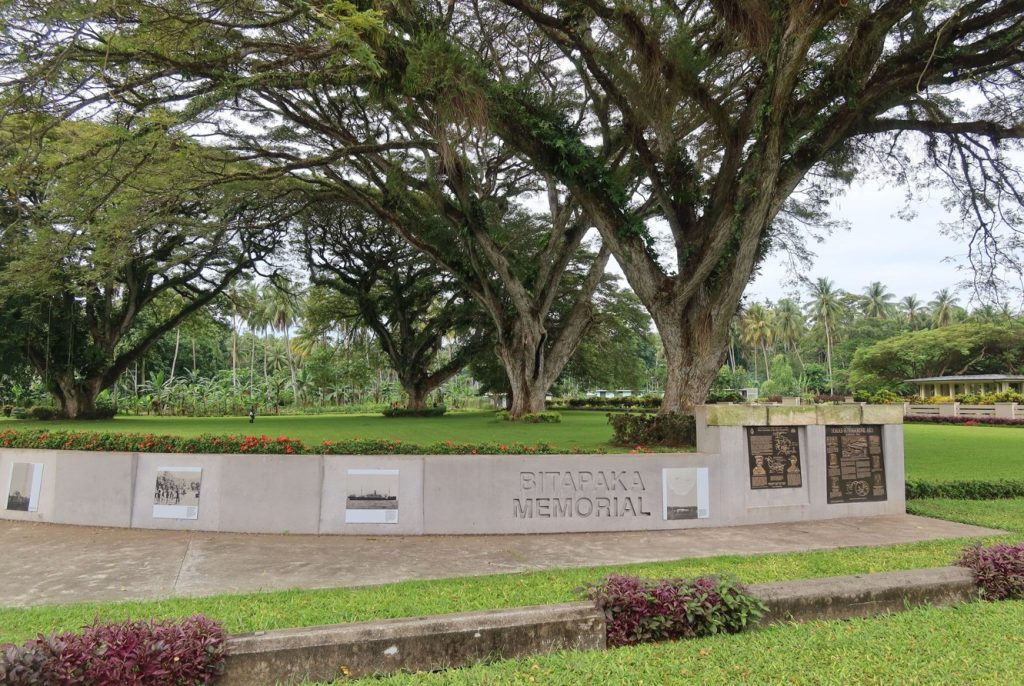
Our journey would not be complete without a pause at the Rabaul (Bitapaka) War Cemetery—a quiet and reverent space where over 1,000 Commonwealth soldiers from both world wars are laid to rest. These grounds are a solemn reminder of the many lives lost in a region once caught in the crosshairs of global conflict.
The cemetery includes graves of Australians, New Guineans, and other Allied troops—many of whom remain unidentified. The beautifully maintained site stands as both a memorial and a history lesson etched in stone.
East New Britain holds a unique place in both Papua New Guinean and Australian wartime history. It was here that sovereign Australia first fought as a nation. It was here that missionaries, soldiers, and local villagers endured and survived. And it is here that memory lives on — in roads named for heroes, in missions that still serve, and in cemeteries where history sleeps.
Author
Whether you’re a student of history, a family tracing ancestral footsteps, or a traveller seeking more than beaches and sunshine, this route from Kokopo to Rabaul will move you, educate you, and deepen your appreciation for the Pacific’s powerful role in global events.
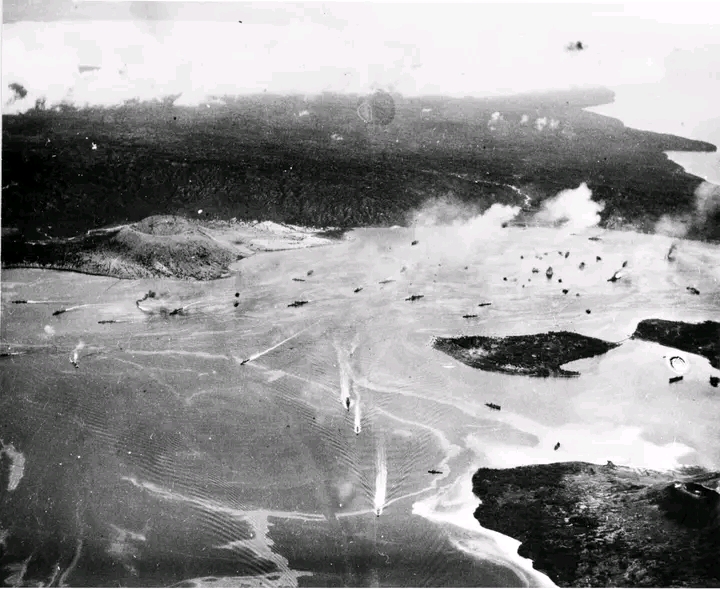
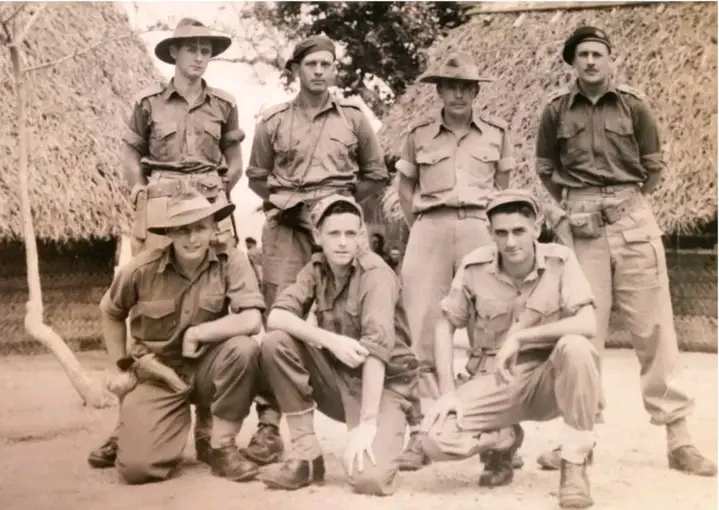
As we reach Rabaul, now a town rebuilt from the ashes of both war and volcanic destruction, we remember its significance. From 1942 to 1945, Rabaul was the main Japanese base in the South Pacific. Its harbours and caves became strategic military assets, with thousands of Japanese troops stationed in its heavily fortified bunkers and underground tunnels.
Today, visitors can still explore some of these wartime remnants — gun emplacements, tunnels, and rusting tanks — stark reminders of a not-so-distant past.
Plan Your Visit
📍 Start: Kokopo Town
🛣️ Route: Williams Road – Vunapope – Ralum – Bitapaka – Rabaul
📸 Don’t miss: Bitapaka War Cemetery, German colonial sites, Japanese war tunnels
History lives here. And by walking this path, you help keep it alive.